November 20 – Day of the adoption of the Convention on the Rights of the Child
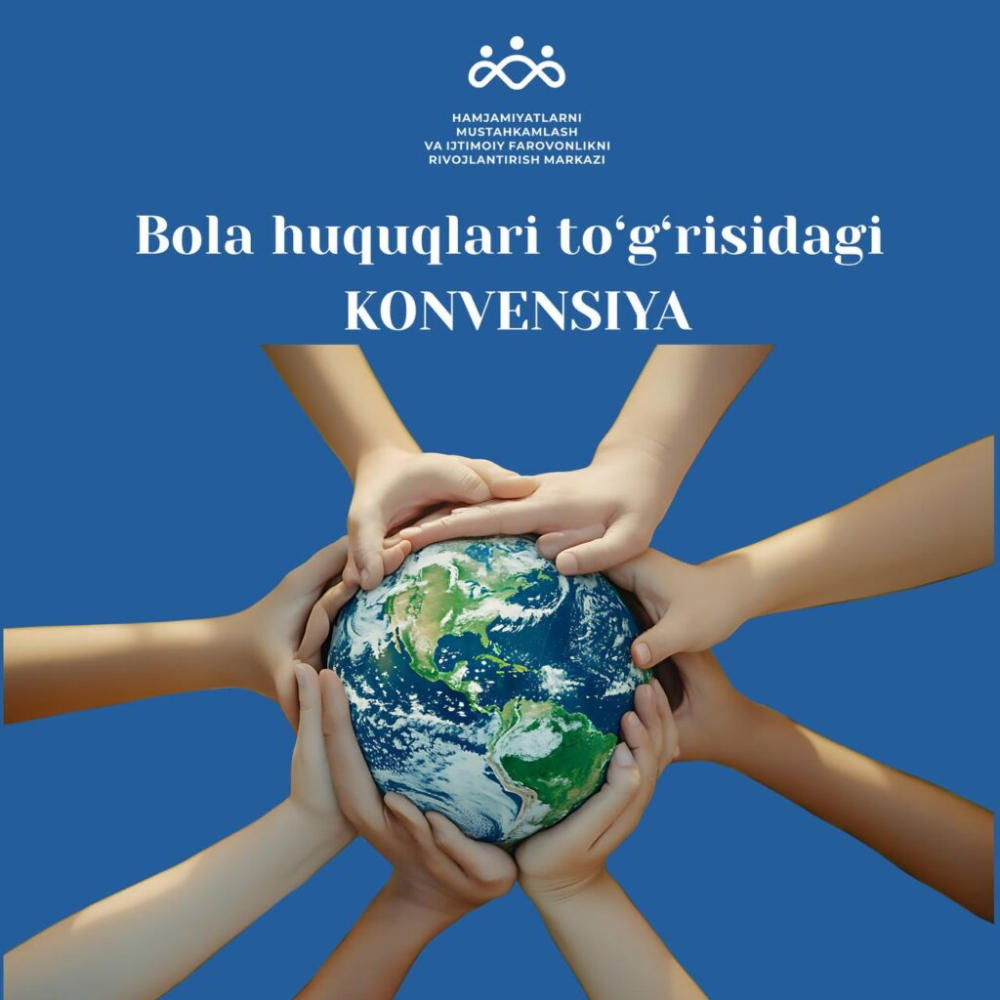
Recalls the international obligations of States to strengthen systems aimed at the comprehensive protection of children and ensuring their well-being.
The Convention on the Rights of the Child (1989) established a single global standard for ensuring children's rights. According to it, every child has the right to safety, development, participation and support.
The document sets out the obligations of public services and professionals to act in the best interests of the child and to prevent any form of violence, exploitation and neglect.
From the point of view of the social protection of children, the main provisions of the Convention are as follows:
- The principle of the best interests of the child is the binding basis for all decisions and interventions.
- The right to protection is the right of a child to be protected from cruel treatment, sexual abuse, exploitation, neglect, and psychological violence.
- The right to participation means that the child's views should be taken into account in accordance with his or her age and level of development.
- The principle of the inseparability of the child and the family implies supporting the family as the main mechanism for preventing risks.
- Non-discrimination is the obligation to ensure equal access to services for all children, including those with disabilities and those in difficult life situations.
- A comprehensive approach — ensuring coordinated cooperation between social protection, education, healthcare, and law enforcement agencies.
The Convention on the Rights of the Child is the main normative framework for the social protection system. It defines inter-agency cooperation, the development of modern social services and case management, as well as common approaches to assessing risks and levels of protection.